

More than ATEX – hire a technical expert for industrial projects
25+ years of electrical and HVAC experience, 20+ of them in heavy industry – oil & gas facilities, chemical plants and offshore platforms. This knowledge is not limited to ATEX work: E&I inspection, FAT/SAT, project management, site supervision, fault finding, preservation – in a flexible engagement model.
What does 20+ years in heavy industry mean in practice?
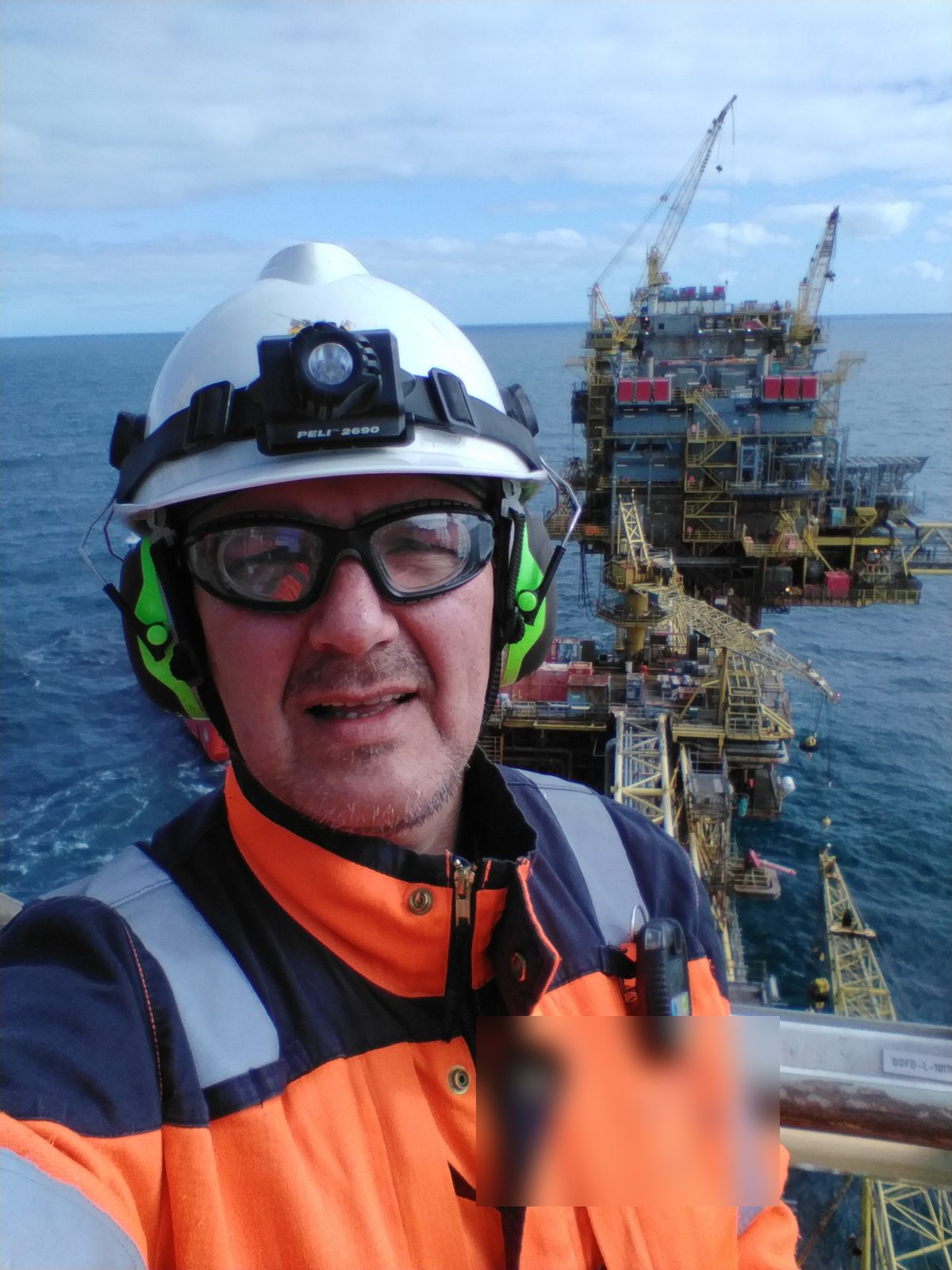
Offshore means working on oil and gas platforms at sea, under some of the strictest industrial safety and quality systems in the world. Experience gained there – on TotalEnergies, ExxonMobil, Bechtel and TengizChevrOil projects – transfers directly to any industrial facility onshore.
This is not theory. It means I have seen how a multi-billion-dollar industrial project is built from design to handover – and I know where the problems tend to appear.
What I can take on – in detail
E&I Inspection
On-site verification of electrical and instrument systems – from drawings or on existing installations. Compliance checks, punch lists, handover preparation. Valuable where there is no on-site engineering presence.
General industrialFAT / SAT
Running or witnessing Factory/Site Acceptance Tests on the client's behalf. Switchboards, MCCs, control systems, HVAC – documented, in your name. If you cannot attend, I represent your interests.
General industrialATEX inspection
Periodic inspection of Ex equipment – visual, close and detailed grades. Photo-documented report, prioritised defect list, repair recommendations. More: ATEX inspection.
ATEX specificProject Management
Technical project management of small and medium industrial investments in the electrical and HVAC scope. Design review, subcontractor coordination, milestone tracking, reporting. With on-site presence and real control.
Project managementSite Supervision
On-site supervision of construction on the client's behalf – verifying that work follows the design, standards and safety rules. Valuable when there is no on-site engineering presence.
General industrialSite Representative
Representing the client's interests on site – with subcontractors, authorities and design offices. Decision preparation, immediate issue flagging, daily reporting. Especially useful for foreign or remote clients.
RepresentationFault finding
Systematic diagnosis of electrical and HVAC faults – especially recurring, hard-to-identify failures. Not guesswork: methodical investigation, measurements and documented analysis, even in complex systems.
General industrialHVAC supervision
Design review, construction supervision and handover of industrial HVAC systems. Critical for ATEX: the ventilation of hazardous areas directly affects zone classification and Ex safety.
General industrialConstruction delivery
Physical works are carried out by partner contractors – I provide the technical coordination, ATEX and quality compliance, and handover documentation. Single technical responsibility, one point of contact.
Project management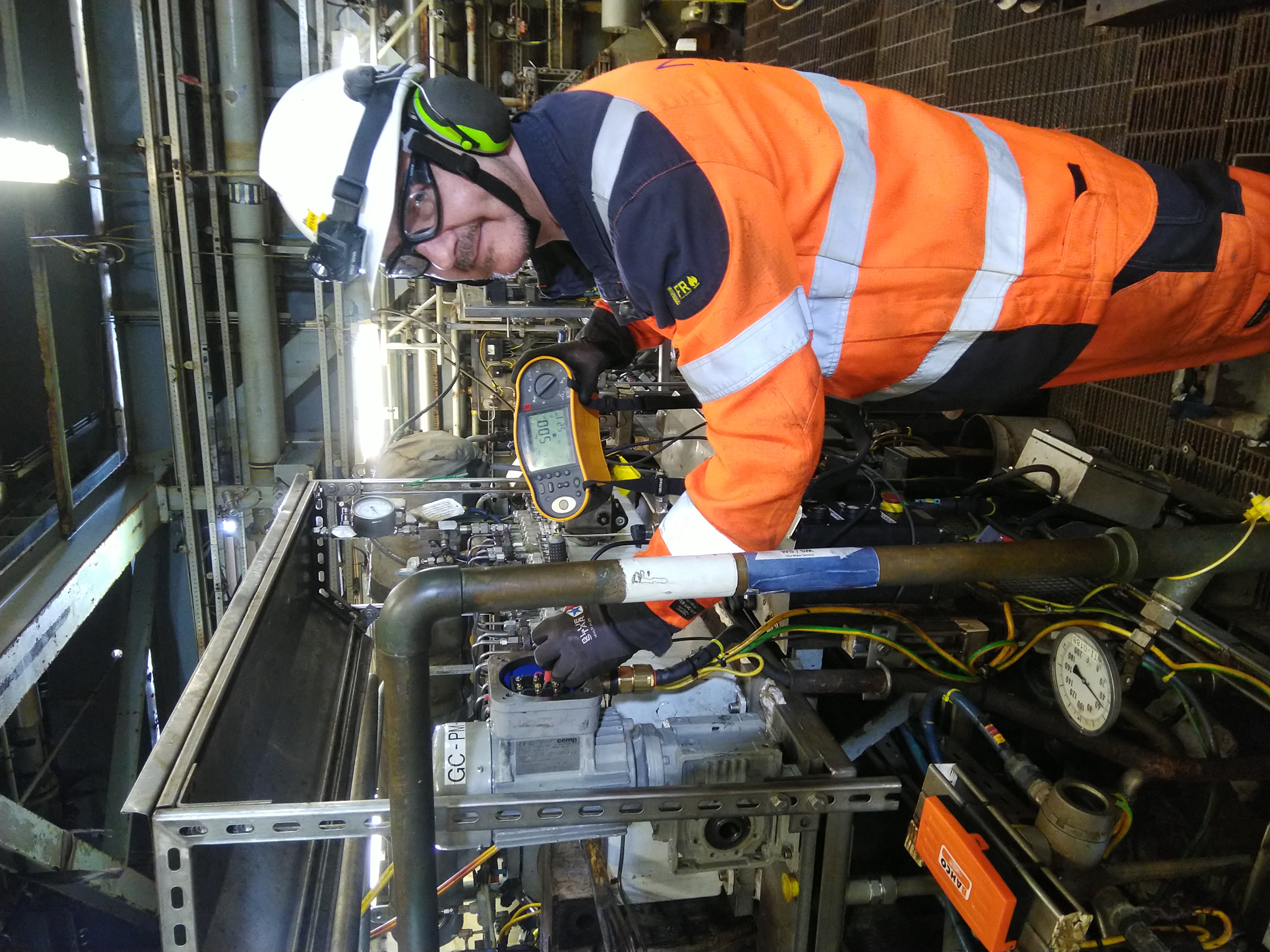
Preservation – corrosion protection and asset conservation
More and more projects face it: the equipment has arrived, but commissioning slips by months – or a plant section goes into long-term layup, or spare machines, drives and switchboards sit in storage. Corrosion works silently. Proper preservation keeps equipment in condition during storage, transport and downtime – so commissioning does not have to start with expensive repairs.
VpCI
An active agent that evaporates in an enclosed space and forms a molecular protective layer on metal surfaces. Ideal for the internal protection of cabinets, motors and pipework where coating is not an option.
Corrosion protectionHumidity control
Moisture is the main driver of corrosion. Dried air, desiccant and relative-humidity control – preventing condensation in enclosed spaces, storage and containers.
PreventionCorrosion protection
Targeted protection of external and internal surfaces – preserving oils, waxes, vapour-phase inhibitors and seals. The right method depends on the equipment type, material and storage environment.
General industrialEx-d flame paths
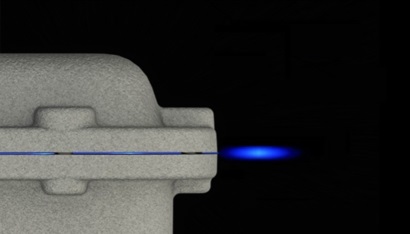
The flame paths of flameproof (Ex d) enclosures are precise, tight-tolerance joints – they must never be painted over. Corrosion, however, compromises the explosion protection. Proper, flame-path-compatible preservation with VpCI / Ex-conform grease.
ATEX specific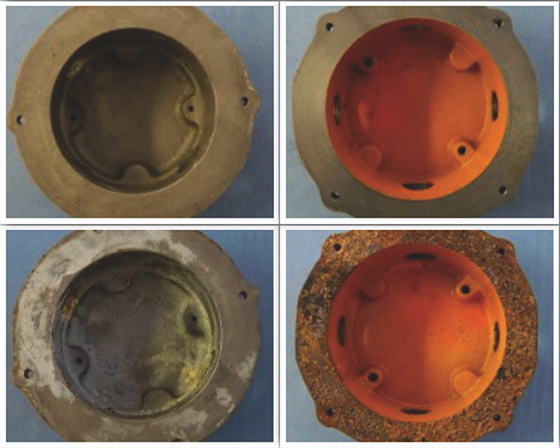
★ Monthly subscribers get priority
My capacity is finite – and I will say that honestly. When several requests arrive at once, I prioritise the work of partners in the Monthly ATEX Support programme. This is not exclusion – I take on one-off engagements too – but scheduling and priority go to continuous partners.
- For urgent work, no waiting in line – my capacity is yours.
- I already know the site, the systems and the documentation – no ramp-up time.
- Consistent pricing, a predictable monthly framework – no surprises.
- Faster response time – especially for fault finding and urgent supervision.
How does a one-off engagement work?
Request
A short description: what the task is, when, where and at what depth. Via the contact form.
Consultation
A 30–60 min online call – task, scope, documentation and timing.
Written quote
A concrete, itemised quote – what is included, what is not, how long and how much. No surprises.
Delivery
According to the agreed scope, documented. A written summary or report for every job.
What I don't take on – honestly
I think it is important that there is no misunderstanding:
- I don't take on work in areas where I don't have enough experience.
- I don't issue certificates or official approvals – that is not within my competence.
- I don't take on work at full capacity – I flag that in advance.
- I don't take responsibility for others' previous work – only for my own delivery.
- I don't cosmetically dress up documentation – on the Explosion Protection Document page I explain why that is the most dangerous approach.
Do you have a specific engagement?
Describe it briefly – what the task is, where and when – and I will let you know whether I can take it on, and in what model. The first consultation is always free.
- What the task is and at what depth (E&I inspection, FAT/SAT, supervision, fault finding, preservation, etc.)
- The site location and timing
- Whether there is existing documentation or drawings
- The desired deadline