

Field Ex engineer — not a desk engineer
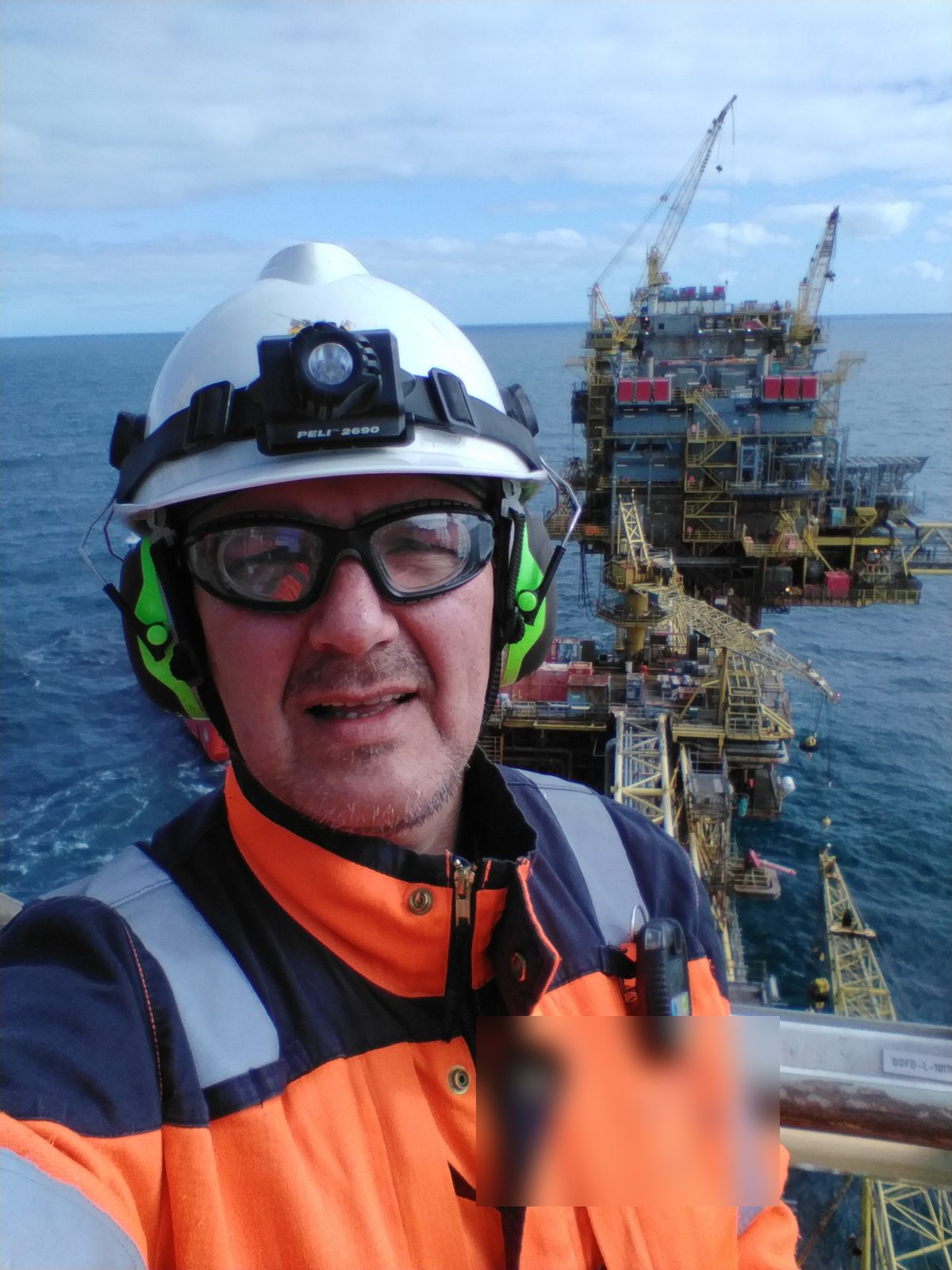
I'm István Giblák. 25+ years of electrical and HVAC experience, of which 20+ years in the oil & gas industry, offshore and onshore. I learned explosion protection where it actually matters: on site, on the equipment — not from behind a desk.
Site engineer, not desk engineer
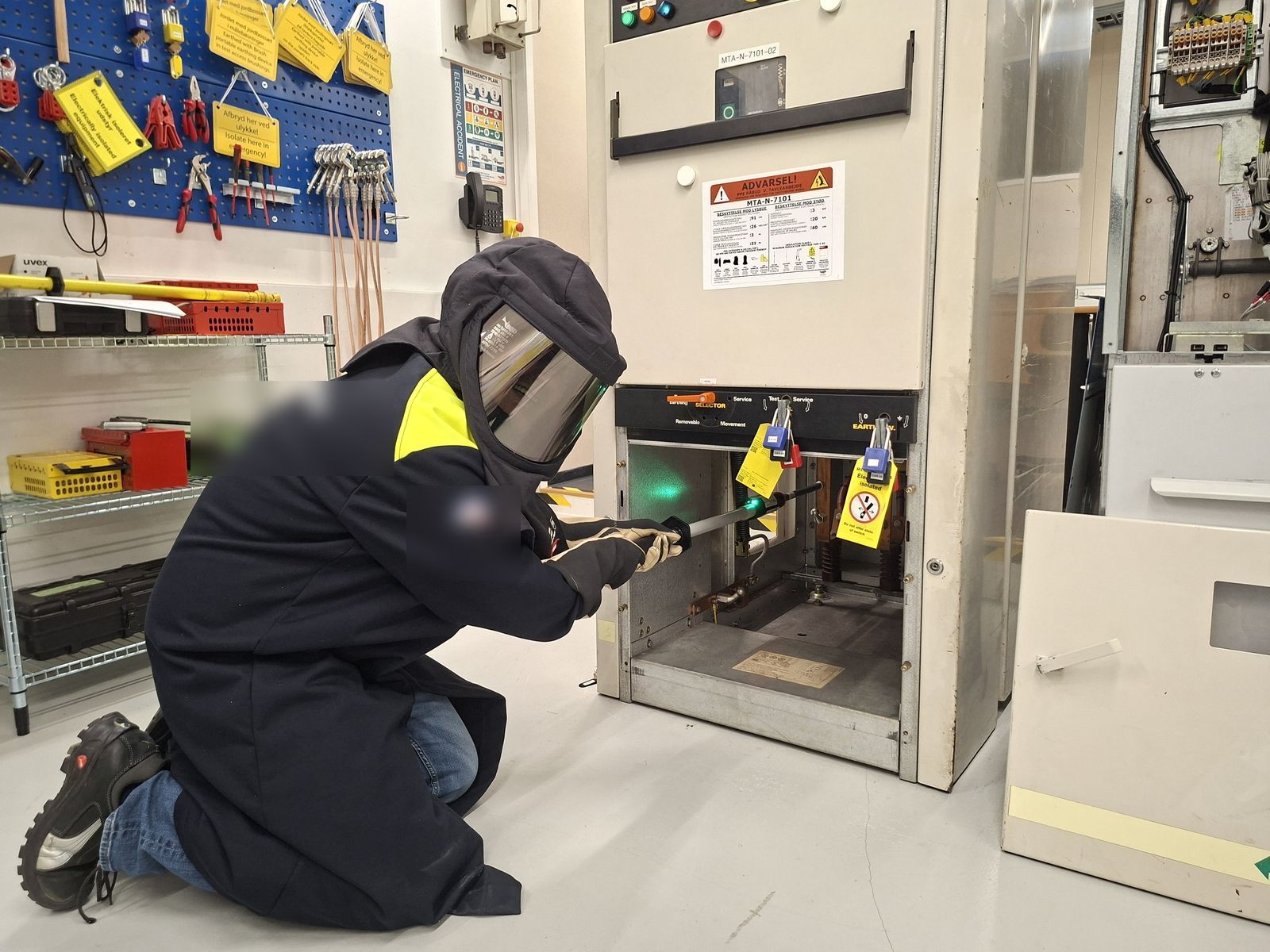
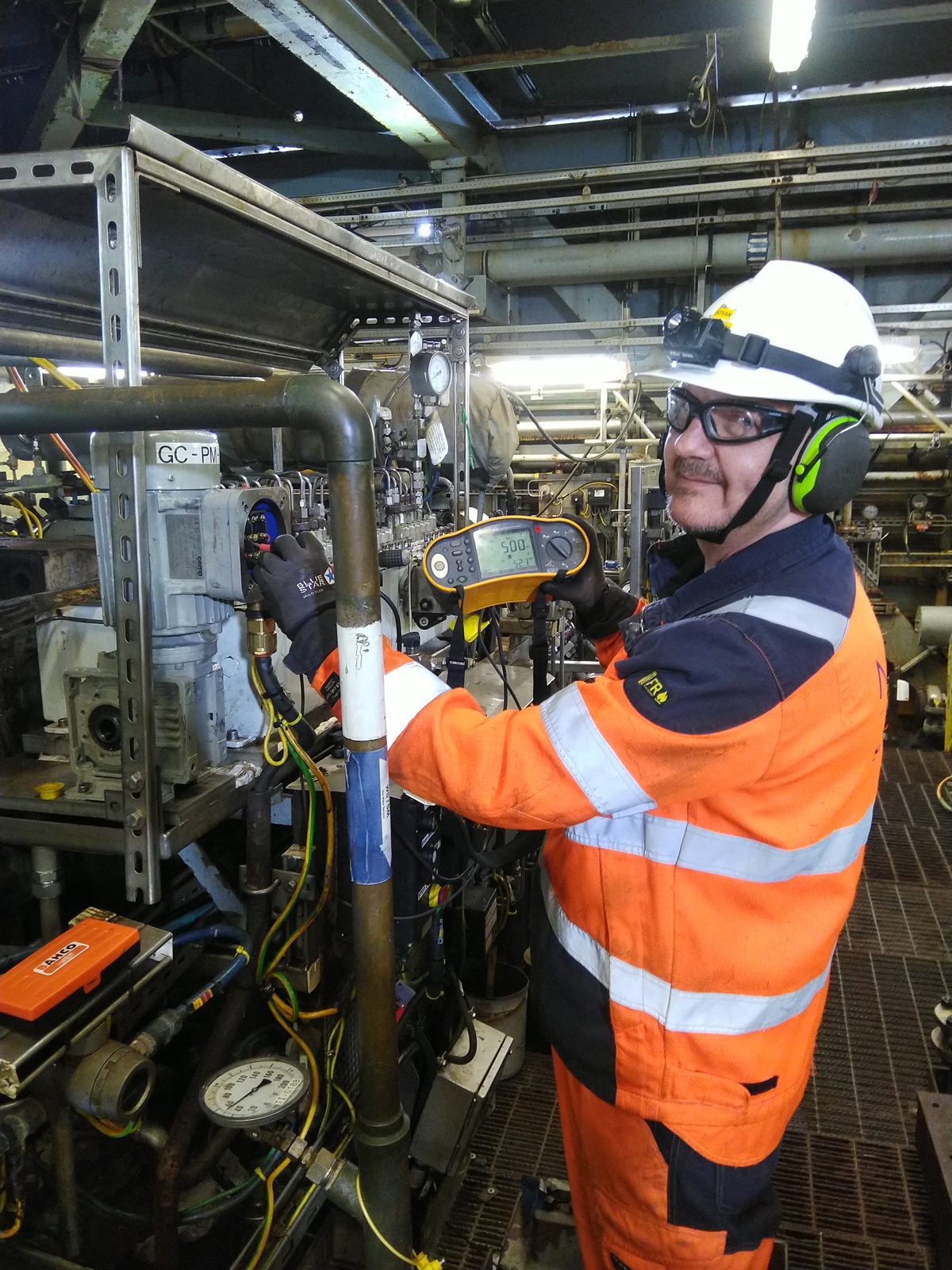
Most ATEX documentation is produced behind a desk. Mine isn't. For years I have personally carried out electrical isolation work, Ex equipment measurements and on-site fault finding in hazardous areas — both offshore and onshore.
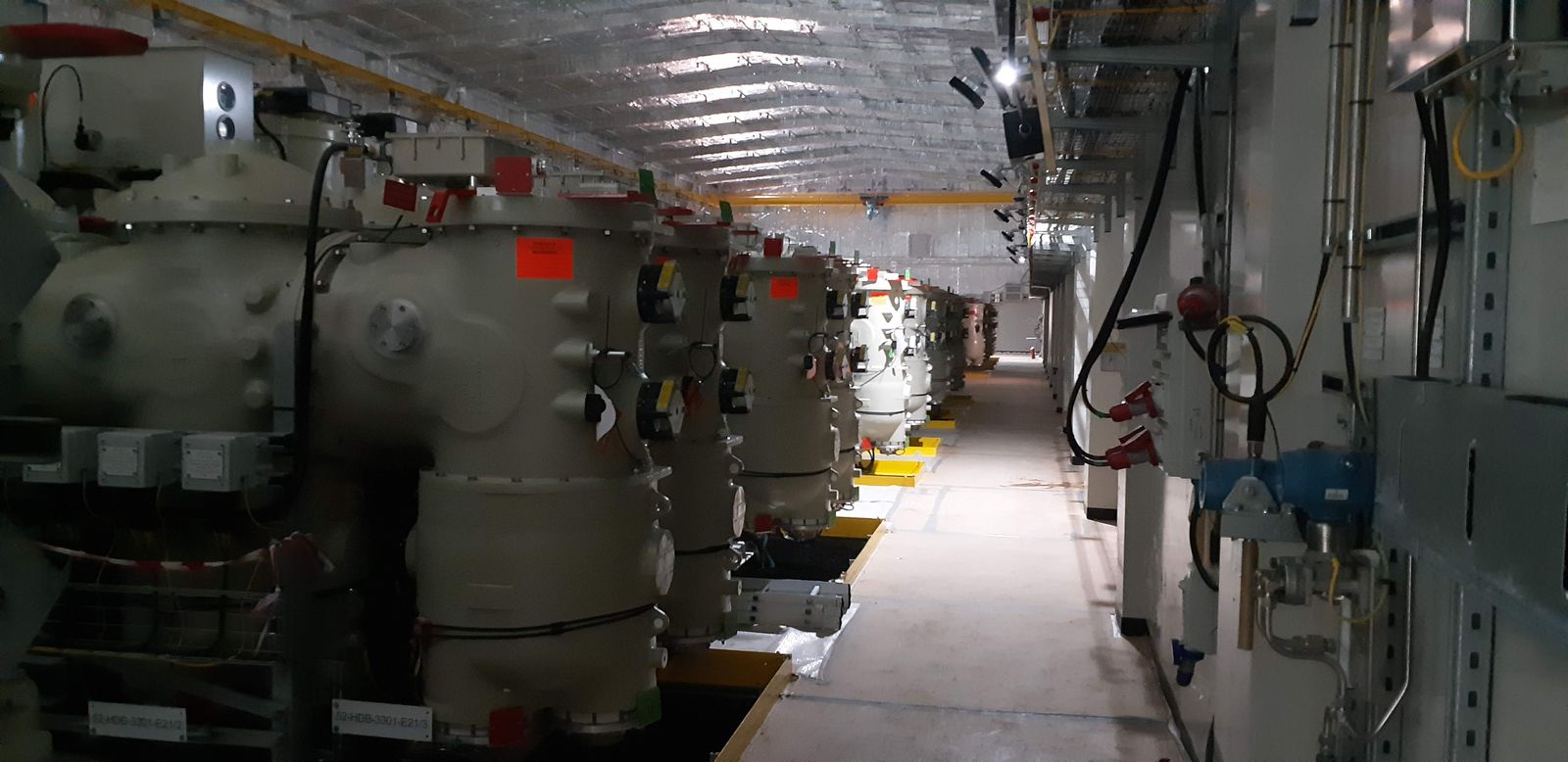
That means the documentation I deliver matches site reality, not only the standard. I know what a zone looks like in practice, what a poor gland looks like, and where drawings tend to drift from how the plant is actually built.
How I work
Partnership mindset
A solution-focused engineering partner — not an enforcement inspector. The goal is a system that actually works on site.
Modern methods
Current ATEX / IEC requirements, sound engineering practice, transparent and properly produced documentation.
Real workability
Zone classification, EPD, equipment selection, implementation support and inspection — also in practice, not only on paper.
ATEX competence — what to expect
More than two decades of industrial electrical and HVAC experience — including many years in oil & gas, offshore and onshore — translate into the following ATEX capabilities in practice:
- CompEx ATEX inspector certification
- Zone classification — gas (IIA/IIB/IIC) and dust (IIIA/IIIB/IIIC)
- Explosion Protection Document (EPD) — preparation and update
- Periodic inspection to IEC 60079-17
- Ex equipment selection and on-site verification
- Electrical isolation and Ex measurements in hazardous areas
- Standards: IEC 60079, NFPA, IEEE, ASHRAE
- Fault finding and on-site implementation support
- I work with professional liability insurance
Need real, site-proof ATEX compliance?
Book a free 30–60 minute online needs assessment. We talk through your site's technology and current ATEX status — and I close with a concrete, practical written quote. My work is covered by professional liability insurance.