

ATEX explosion protection in the pharmaceutical industry – GMP and Ex compliance together
Active-ingredient dusts, granulation, drying, ethanol extraction – in pharma you must meet ATEX and GMP/EMA requirements at the same time. Zone classification, EPD and audit preparation per IEC 60079.
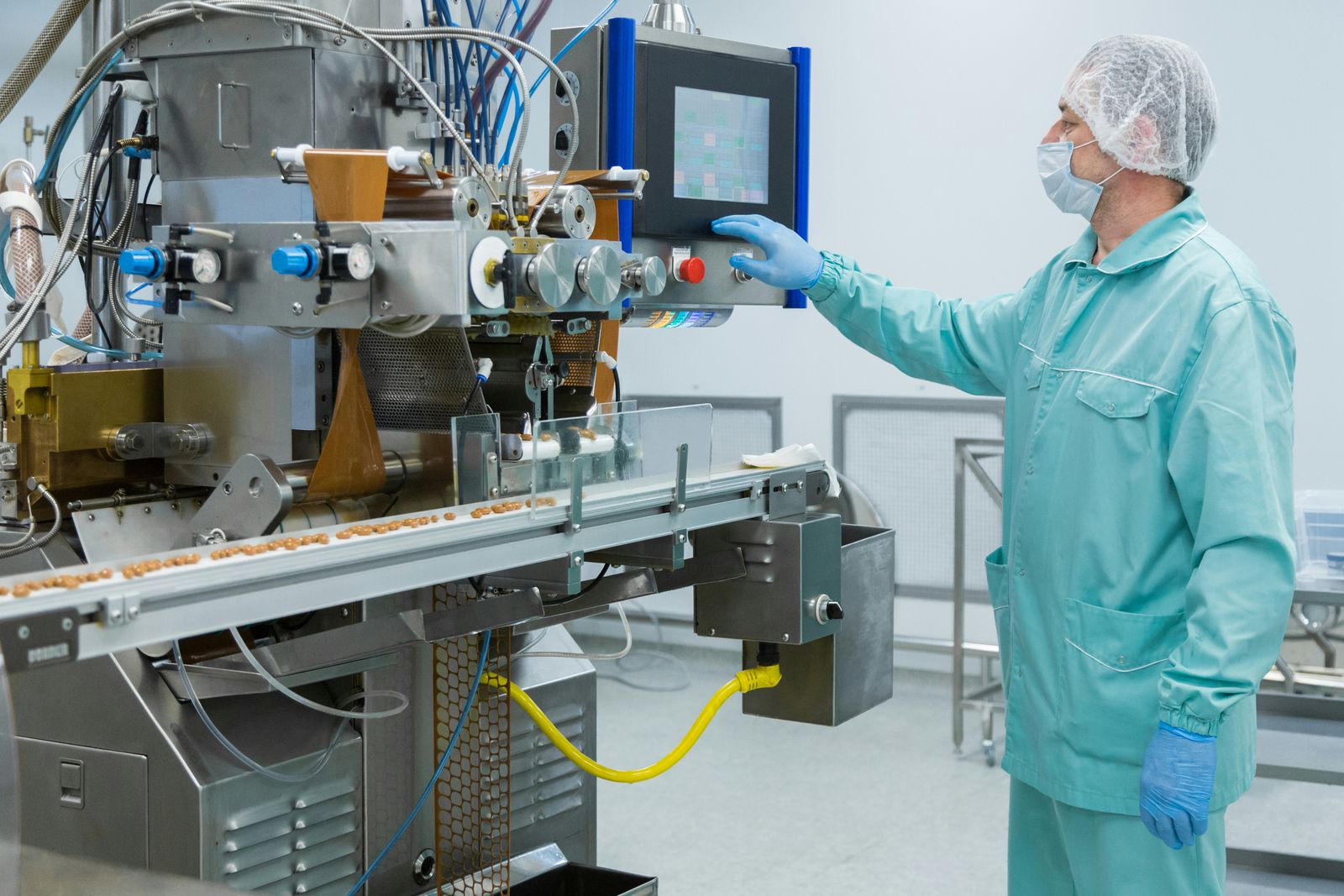
The dual compliance pressure: GMP and ATEX at the same time
Pharma is the only sector where, beyond explosion protection, GMP (Good Manufacturing Practice) and EMA regulatory requirements also apply. These are two separate but interacting systems – and both must be operated at once.
The GMP approach
Documentation, cleanliness, change management, validation, patient safety. Every change goes through a Change Control process.
The ATEX approach
Zone classification, explosion protection documentation, Ex equipment compliance, periodic inspection per IEC 60079-17.
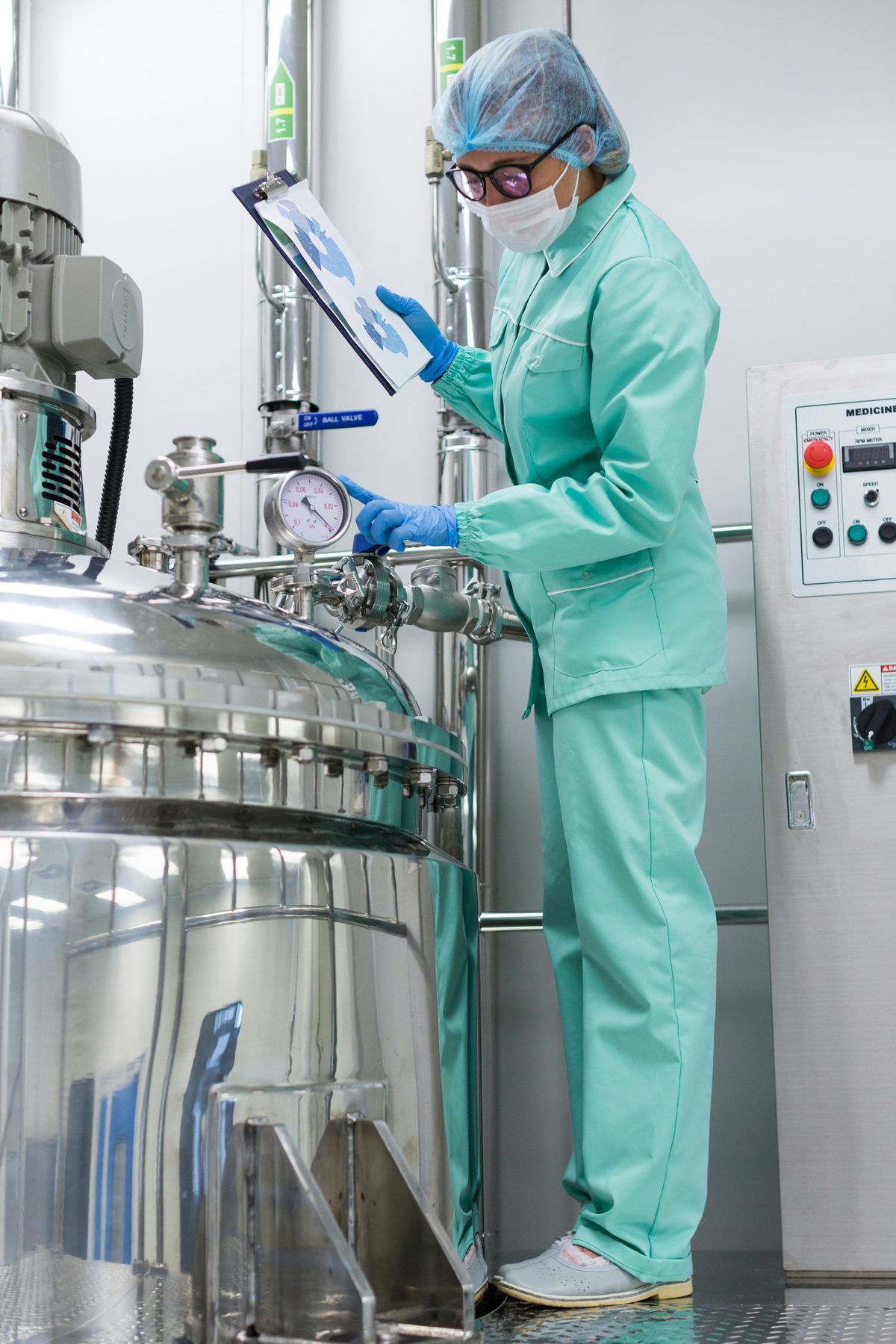
Typical hazardous processes and their zone classification
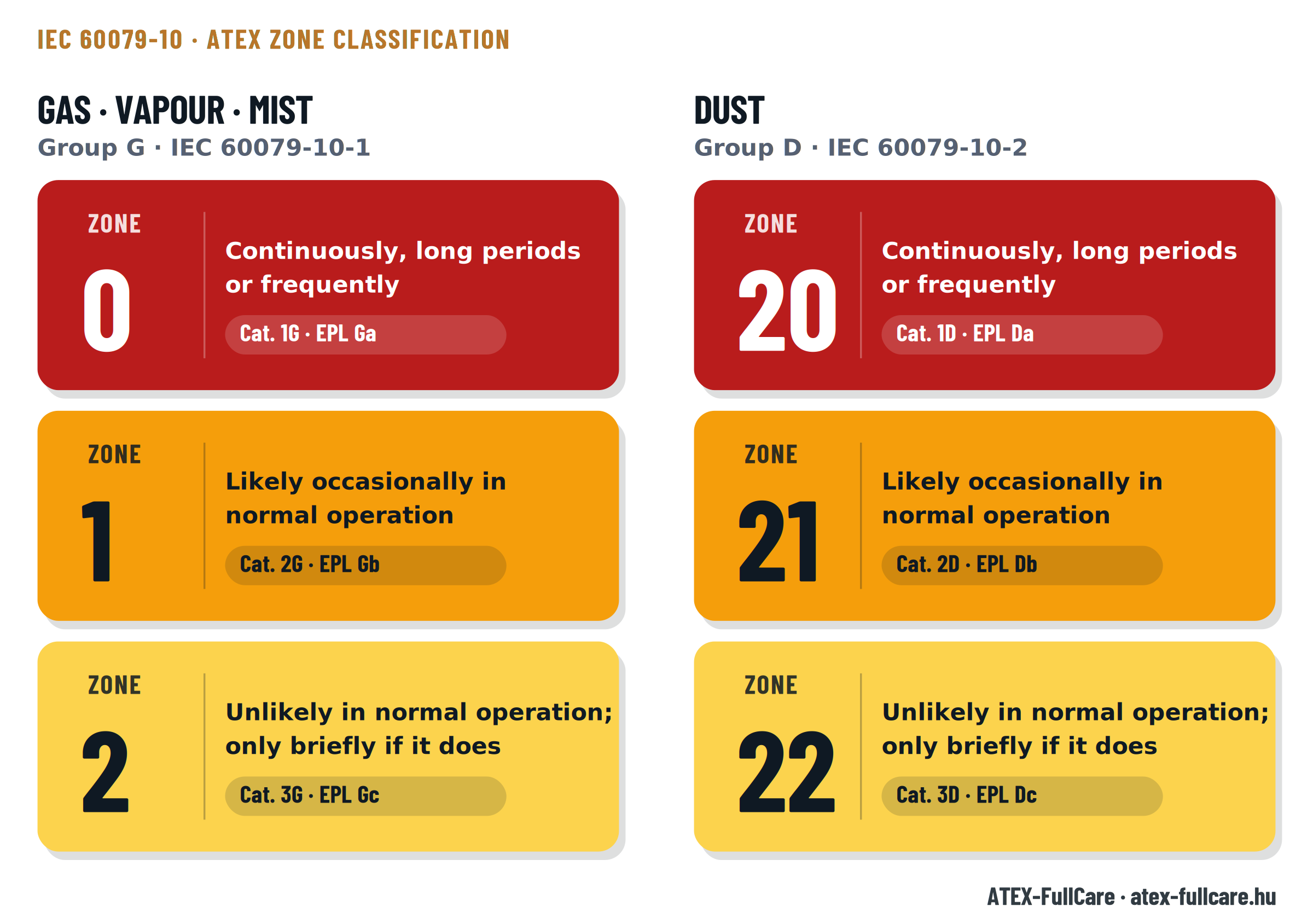
Zone classification varies by process and by medium (gas "G" / dust "D") – this is recorded by the ATEX zone classification:
| Process | Hazardous material | Medium | Zone |
|---|---|---|---|
| Fluid-bed granulation | API dust + solvent vapour | G + D | Zone 1/21 (inside the equipment) |
| Tray drying with ethanol | Ethanol vapour | G (IIB) | Zone 1 inside, Zone 2 in the room |
| Tableting (dusty environment) | API dust, lubricant | D (IIIB) | Zone 21/22 in the area |
| Filling (capsule, sachet) | API dust | D (IIIB) | Zone 21 (filling points) |
| Extraction (ethanol, IPA) | Solvent vapour | G (IIB) | Zone 1 in the reactor |
| Powder mixing, mill feeding | Dust | D | Zone 21 |
| Solvent storage room | Alcohol, acetonitrile | G | Zone 2 (depending on ventilation) |
Active-ingredient dusts – they need special attention
The explosion risk of pharmaceutical API dusts is not always intuitive – yet the normal dust emission of the process is enough to form an explosive dust-air mixture. That is why classification to IIIB and adequate IP sealing are key:
- API dusts typically belong to group IIIB (non-conductive dust).
- Minimum ignition energy (MIE): material-dependent – may require a laboratory measurement.
- T-class: the max. surface temperature must be set to the dust's ignition temperature (PLT).
- In sterile spaces: reconciling the clean-room requirement (HEPA, laminar flow) with the Ex design is an expert task.
- For dedicated materials: determining substance-specific explosion parameters (Kst, Pmax).
Audit preparation – for authority, EMA, ISO and insurer checks
Pharmaceutical ATEX deficiencies can surface at several supervisory bodies at once. An up-to-date explosion protection document provides protection in all such cases:
Authority check (medicines authority, labour)
Under decree 3/2003 (FMM–ESzCsM) the EPD and zone maps can be requested at any time. A gap risks an immediate fine and a shutdown.
EMA / FDA ATEX aspect
GMP audits increasingly examine ATEX compliance too – especially for dryers, granulators and the Change Control documentation.
Insurer precondition
Industrial fire and explosion policies increasingly require a current EPD. Without it, the insurer can refuse the claim.
Most common ATEX faults at pharmaceutical sites
- No ATEX zone classification for the granulators and dryers.
- IIA-marked equipment in an ethanol process (ethanol is group IIB).
- Change Control does not include an ATEX impact assessment.
- The EPD was not updated after the last equipment or process change.
- Sterile-space Ex design is not compatible with the clean-room requirement.
- The API dust's explosion parameters (Kst, MIE) are not determined.
- Non-Ex motor on the dryer's ventilation unit.
Need an ATEX audit for a pharmaceutical site?
Request a free 30–60 minute online needs assessment. We discuss the processes and your current ATEX/GMP status, and I give you a concrete proposal for the next step.