

ATEX knowledge base – who does what?
A short, practical summary of who is responsible for what in ATEX – operator, designer, manufacturer, contractor, expert and authority. Not legal advice, but an engineer's “translation” into the language of everyday operation.
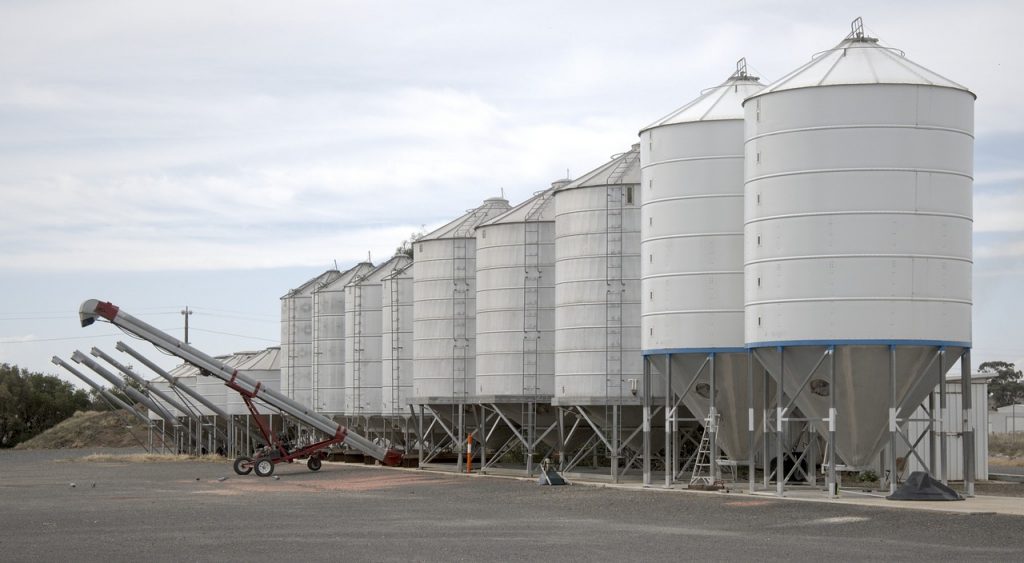
What is ATEX? – two key EU directives
ATEX is the European Union's framework for explosion protection (the name comes from ATmosphères EXplosives). It rests on two main directives:
-
2014/34/EU – the “ATEX product directive” (ATEX 114)
Applies to manufacturers, importers and distributors. It defines how equipment, devices and protective systems intended for use in explosive atmospheres must be designed and certified. -
1999/92/EC – the “ATEX workplace directive” (ATEX 137 / ATEX 153)
Places obligations on the employer / operator: risk assessment, zone classification, selection of suitable equipment, explosion protection documentation, and training.
ATEX has two major areas of responsibility:
- the manufacturer/distributor is responsible for properly certified Ex equipment,
- and the operator is responsible for using it in the right place, the right way and safely.
Employer / operator obligations (Hungarian Decree 3/2003 (III. 11.) FMM–ESzCsM)
In Hungary, the 1999/92/EC ATEX workplace directive is transposed by Decree 3/2003 (III. 11.) FMM–ESzCsM, “on the minimum occupational safety requirements for workplaces in potentially explosive atmospheres”.
In practice: as soon as a facility stores or uses flammable gas, vapour, mist (aerosol) or dust, the employer must assess whether an explosive atmosphere can form – i.e. whether the workplace qualifies as a “potentially explosive atmosphere” under the decree. If it does, the decree is mandatory, and explosion protection is not an optional “extra” but a legal requirement.
- assessment of explosion risks,
- zone classification of the work areas (0/1/2, 20/21/22),
- preparation of the Explosion Protection Document (EPD) before first commissioning,
- defining and implementing the necessary technical and organisational protective measures (ventilation, earthing, procedures, permits, training, etc.),
- keeping the EPD up to date (on any process change, and in practice reviewed at least every 3 years).
The EPD and its associated zone drawings can be requested at any time by the authorities (occupational safety, disaster management) during an inspection, and the implementation of the documented measures can also be checked on site.
Important: these obligations fall on the operator / employer. This is exactly where FullCare stands on the operator's side – from the assessment and zone classification, through documentation, to the electrical and mechanical maintenance / repair background, helping ensure these obligations are met not just on paper but in day-to-day operation.
Typical opening text for the start of an Explosion Protection Document:
“This document is the Explosion Protection Document (hereinafter: EPD) for the potentially explosive areas of the facility, based on the requirements of Decree 3/2003 (III. 11.) FMM–ESzCsM.”
How does the process start in practice?
- A hazardous substance appears – e.g. solvents, alcohol, flour dust, sugar dust, biogas, a dusty process.
- A risk assessment is carried out to determine whether – and where – an explosive atmosphere can form.
- If it can, the workplace qualifies as an explosive atmosphere, Decree 3/2003 applies, and the EPD becomes a mandatory occupational safety document.
- The employer – typically with an expert involved – has the EPD prepared, and ensures that training, work permits, maintenance and modifications are consistent with what the Explosion Protection Document sets out.
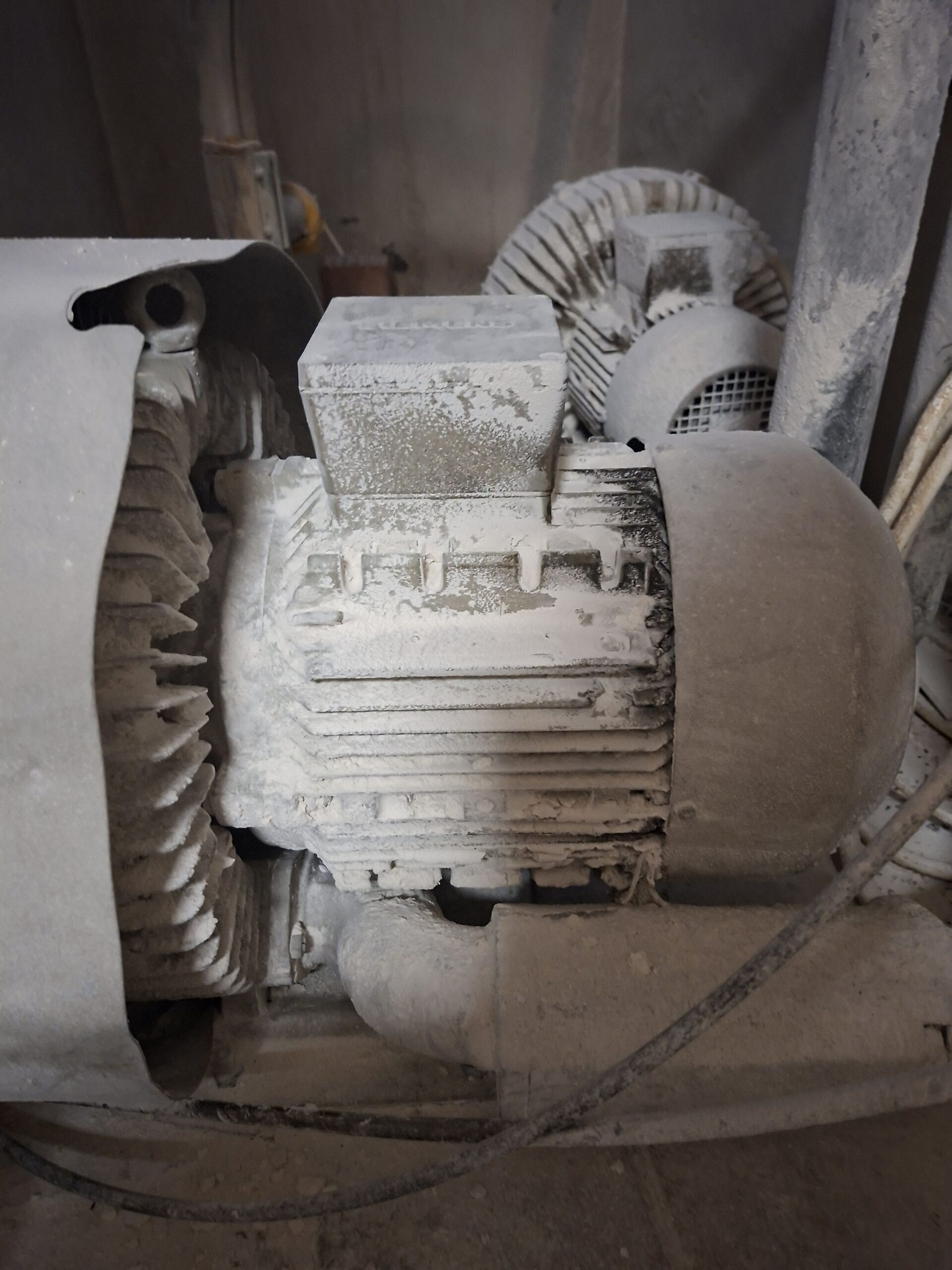
ATEX vs. IECEx – similarities and differences
ATEX (EU)
- An EU legal framework – mandatory throughout the European Economic Area.
- Built on directives 2014/34/EU (product) and 1999/92/EC (workplace).
- Aims at a uniform CE + Ex marking and free movement within the EU.
- Covers not only the equipment, but also operation and documentation.
IECEx (international)
- An international certification system, not legislation.
- Built on the IEC 60079 series of standards.
- Aims to make equipment more readily accepted by the authorities / operators of several countries.
- It is common for a device to hold both ATEX + IECEx certification.
From the operator's point of view, the key is this: both systems try to answer the same question – how to operate equipment safely in an explosive atmosphere. The details, the markings and the paperwork may differ, but the physics is the same.
Who does what in ATEX?
Operator / employer
- Responsible for worker safety and the legal compliance of the explosive areas.
- Has the risk assessment, zone classification and the Explosion Protection Document (EPD) prepared.
- Ensures the selection, maintenance and operation of ATEX-compliant equipment, and the training of staff.
Facility and process designers
- Architectural, mechanical, electrical, automation and fire-protection designers.
- Their task is to make the technology, the infrastructure and the explosion protection work together.
- This includes e.g. storage, ventilation, earthing, emergency shutdown, cabling, mechanics, fire detection.
Equipment and machine manufacturers
- Design and build equipment and protective systems certified under the ATEX product directive.
- Responsible for the CE + Ex marking, category, EPL and the instructions for use.
- They don't decide where the equipment ends up – they only guarantee it is usable under stated conditions.
Contractors, installers
- Build the piping, electrical network, mechanical systems, etc. according to the design.
- Ensure that the method of installation (cabling, glands, junction boxes, earthing) meets the requirements of ATEX and the applicable standards.
- It is not their job to design zones or assess risk – that is a designer / expert competence.
Independent ATEX / explosion-protection expert
- Concept development, zone classification, preparation / review of the Explosion Protection Document.
- ATEX-focused project management – technical coordination of designers and contractors.
- Pre-handover technical inspection, site visits, listing of deficiencies.
- On request, training for operations and maintenance.
Which documents does an operator encounter?
Core documents
- Explosion Protection Document (EPD) – the facility's full ATEX picture: zone drawings, process description, risk assessment, measures.
- Zone classification drawings – where, over what extent, and which zone (0/1/2, 20/21/22) may occur.
- Declarations of conformity – manufacturer / distributor declarations of meeting the ATEX requirements.
- Training records – evidence that the workers concerned received ATEX-relevant training.
Equipment-related documents
- ATEX (and possibly IECEx) certificates – certification documents for machines, devices and protective systems.
- Operating and installation manuals – how to install, operate and maintain.
- Periodic ATEX inspection records – confirming that the equipment has not lost its safety characteristics during use.
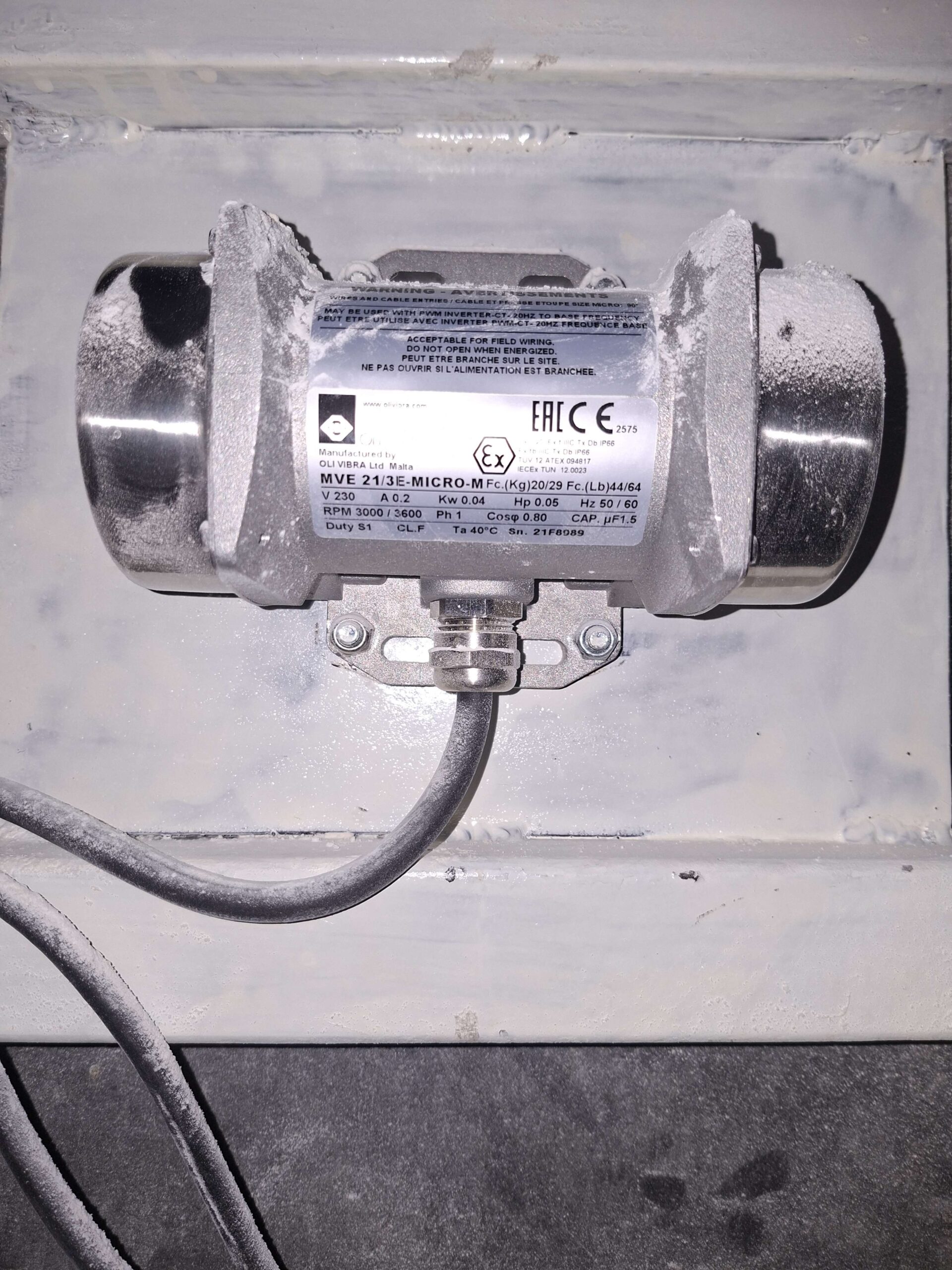
The role of the authorities – a practical view
In Hungary, explosion protection touches the remit of several authorities – fire protection, occupational safety, industrial safety, environmental protection, etc. In practice it is important to see that the authorities do not design and do not make technical decisions on our behalf; rather, they check whether the operator and the involved experts:
- have carried out the necessary risk assessments and zone classifications,
- have an up-to-date Explosion Protection Document,
- whether the certification, operation and maintenance of the installed equipment are consistent with the legal and standard requirements,
- and whether all of this is available in a documented, traceable manner.
Disaster management
For explosion risk, disaster management has a key role, which also covers fire protection and industrial safety. In the life of a facility, this typically means:
- fire-safety regulations, fire-safety compliance, handling of hazardous substances,
- in certain cases major-hazard / Seveso obligations and industrial-safety licensing,
- and the related on-site inspections, document and technology checks.
Occupational safety
The occupational safety authority (within the government offices) mainly examines whether:
- the work environment is appropriate from the workers' safety point of view,
- the instructions, training, personal protective equipment and procedures for work in explosive areas are in order,
- the Explosion Protection Document and actual practice are consistent with each other.
- has a transparent, step-by-step development plan for improving ATEX compliance – a good starting point for this is the explosion-protection assessment questionnaire,
- and treats it not as a “necessary evil” but as part of its own safety culture.
Where does FullCare come in?
FullCare stands on the operators' side. In practice a facility rarely keeps a full in-house ATEX expert team – I help make sure the explosive-atmosphere technology can be run safely and in a documented way at the level of everyday operation, maintenance and repair as well:
- Operations support: electrical and mechanical maintenance and repair background in explosive areas, fault finding, and tracking the condition of Ex equipment.
- Documentation: preparation / update of the Explosion Protection Document, keeping the maintenance and inspection records up to date.
- ATEX concepts and zone classification for new projects or modifications.
- ATEX-focused project management – coordinating designers, contractors and suppliers.
- Technical supervision during construction, site visits, deficiency lists.
- Pre-handover inspection and periodic audit, commissioning support.
- Training for engineers, maintenance staff and operations – on site or online.
For ongoing needs I am also available in the form of monthly ATEX support alongside operation, or can be hired as a technical expert for individual tasks.
My goal is for the operator to be able to run the explosive-atmosphere technology at a transparent, acceptable level of risk – while also meeting the legal requirements.
I consider it equally important that the operator realistically assesses and understands its own ATEX gaps, and that we work out together a medium-to-long-term (1–2 year) development plan for them. The necessary measures are carried through in a cost-optimised, scheduled way, so the steps remain viable for the business too.
Such a documented development plan is typically viewed very positively by the authorities – whether it's a routine inspection or the investigation of a possible incident.
Let's discuss your site
A free needs assessment on ATEX – let's look together at where your facility stands now, and what the next sensible step is.
Where to next?
If you want to go deeper into a topic, here are the detailed pages:
Services